





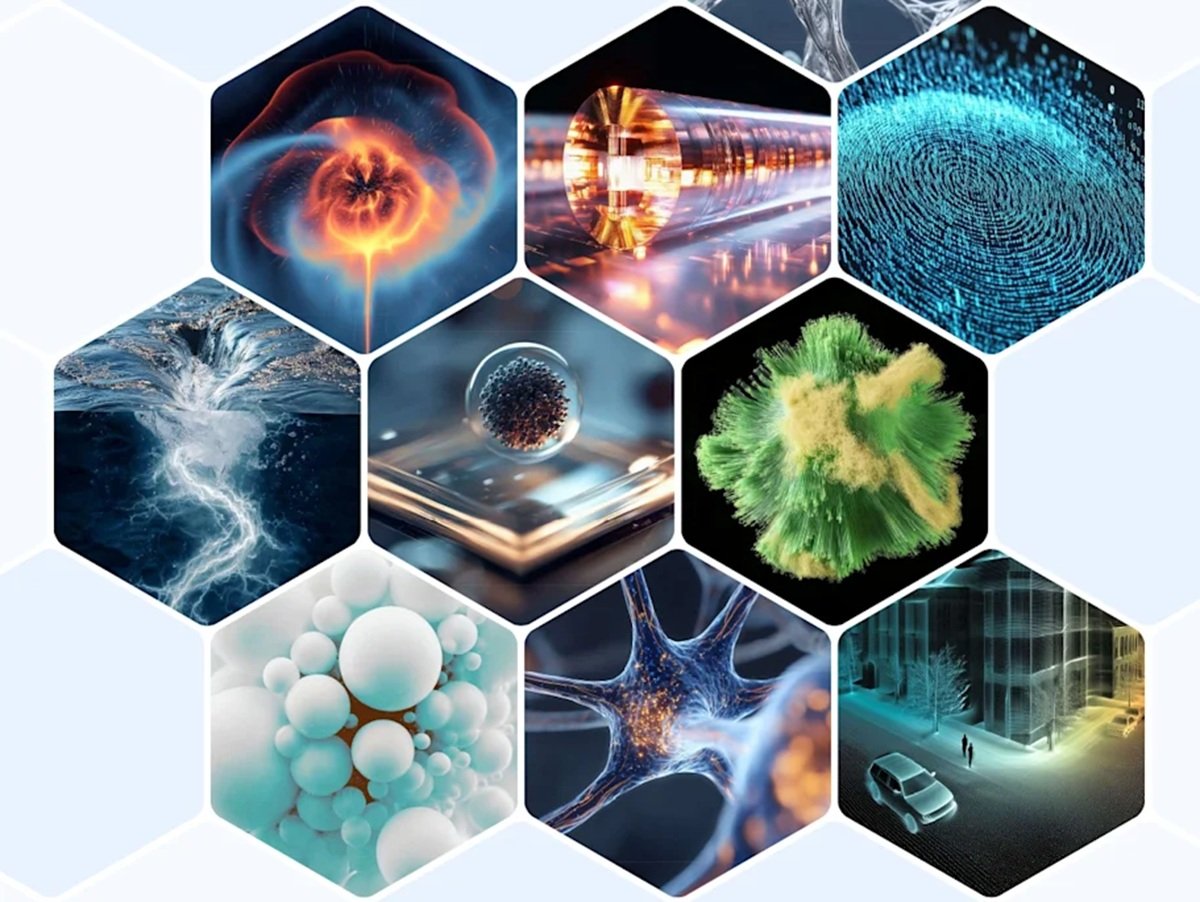
The Dubai Future Foundation and World Economic Forum have identified 10 emerging technologies with the potential to change the world.
From green energy and health to AI and nuclear power, the forward-looking report identifies the impactful emerging technologies.
Mohammad Abdullah Al Gergawi, Vice Chairman of the Board of Trustees and Managing Director of Dubai Future Foundation, said that accelerating technological change is opening vast opportunities for economic growth and social impact worldwide.
Dubai Future Foundation Top 10 emerging technologies
His comments came during the launch of the Top 10 Emerging Technologies of 2025 report, released by the World Economic Forum (WEF) in collaboration with Dubai Future Foundation (DFF).
The landmark study aims to equip governments, companies, and entrepreneurs with foresight into the most impactful scientific and technological advancements expected to scale in the coming years.
Al Gergawi said: “Readiness for future technologies – and the capacity to apply their diverse use cases – has become a key benchmark for governments and the private sector in designing and building the future.
“We will continue to support active global partnerships and advancing research to anticipate emerging trends and technological opportunities.”
This marks the first time the report has incorporated a foresight angle, developed jointly with Dubai Future Foundation. It is also the first time a regional entity has formally contributed to the global WEF publication, which was originally launched in 2011.
More than 300 experts from the Global Future Council network were involved in developing the content, with DFF focusing on projecting long-term implications of each technology, and how they can be applied to solve real-world challenges at scale.
Top 10 emerging technologies of 2025
Selected for their novelty, societal impact, and scalability, the featured technologies reflect a strong focus on health, sustainability, AI, and energy:
- Green nitrogen fixation: Producing ammonia using renewable electricity and electrochemical methods
- GLP-1 receptor agonists: Drugs targeting obesity and diabetes now being studied for neurodegenerative diseases such as Alzheimer’s and Parkinson’s
- Osmotic power systems: Renewable energy from the interaction between saltwater and freshwater
- Collaborative sensing: Networks of smart sensors across cities, vehicles, and infrastructure
- Nanozymes: Synthetic enzymes that are cheaper, more durable, and more stable than natural enzymes
- Autonomous biochemical sensing: Devices that continuously monitor health or environmental data without human input
- Advanced nuclear technologies: Safer, compact nuclear energy systems such as Small Modular Reactors (SMRs)
- Generative watermarking: Embedding invisible markers in AI-generated content to verify authenticity
- Engineered living therapeutics: Modified microbes that produce treatments inside the human body
- Structural battery composites: Load-bearing materials in vehicles and aircraft that also function as batteries
The report highlights how each innovation could reshape global systems—from clean energy to biomedical treatment and digital content governance.
Al Gergawi added: “The Top 10 Emerging Technologies report aims to equip governments, businesses, and entrepreneurs with foresight on the most impactful scientific and technological breakthroughs expected to scale in the coming years.”