



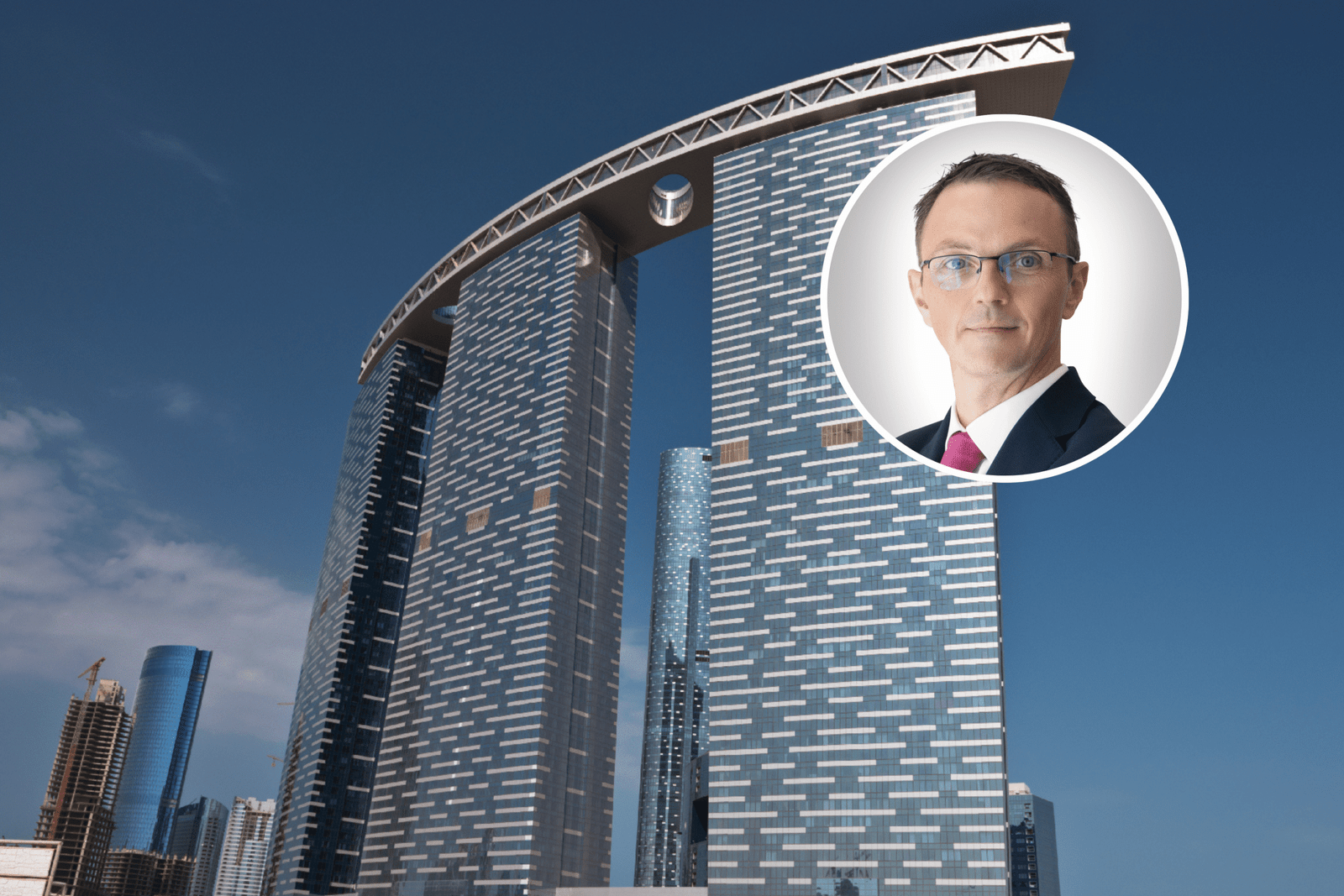
A comprehensive analysis of Cavendish Maxwell’s Q3 report reveals a capital city prioritizing long-term market absorption over short-term velocity, with AED 16.3 billion in off-plan capital leading the charge.
Abu Dhabi, UAE: In the high-octane real estate markets of the Gulf, “supply” is often a double-edged sword. Too little triggers affordability crises; too much triggers devaluation.
Abu Dhabi, however, appears to be mastering the art of the middle ground.
According to the latest Q3 2025 research from leading property consultancy Cavendish Maxwell, the UAE capital is entering a phase of “Controlled Expansion.” While the headline figure projects 8,000 new residential units by the end of 2025, the real story lies in the sophisticated pacing of delivery that is shielding investors from oversupply shocks.
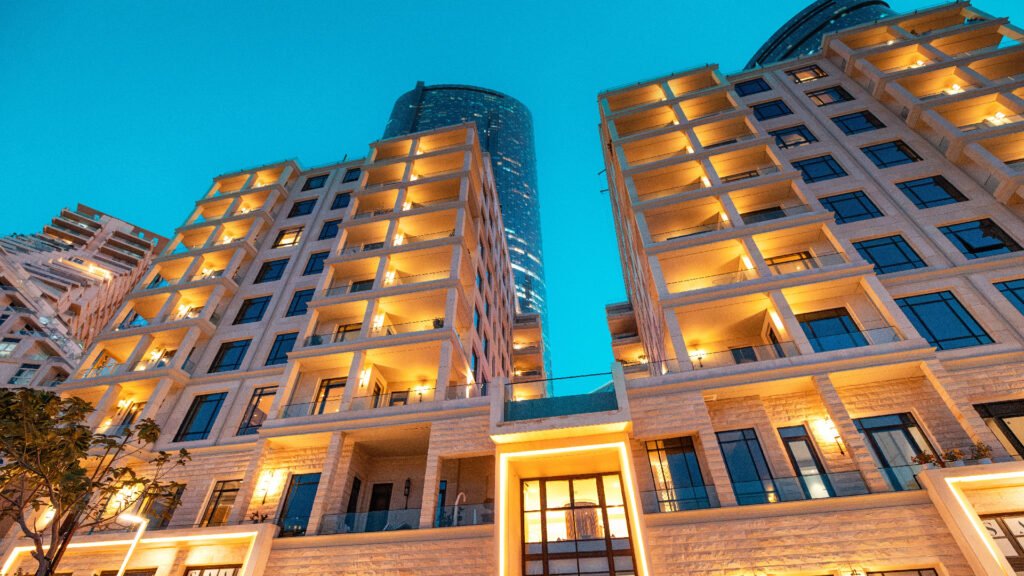
The Pipeline: A Four-Year Outlook
The report outlines an aggressive yet managed trajectory for the capital’s housing stock. Following the 8,000 units slated for 2025, the pipeline expands significantly:
- 2026: 12,800 units.
- 2027: 12,400 units.
- 2028: 21,400 units.
However, Andrew Laver, Associate Director at Cavendish Maxwell Abu Dhabi, provides critical context for investors worried about saturation. He notes that actual deliveries may intentionally fall short of these initial predictions.
“Based on recent handover trends, we could see fewer-than-planned properties being delivered in the next couple of years,” Laver explains. “This staggered approach, which is historically typical for Abu Dhabi – allows the market to absorb new supply gradually and prevents sudden increases in available stock.”.
For Family Offices and institutional investors, this “staggered approach” is a key indicator of market maturity, suggesting a regulatory and developmental environment focused on capital preservation.
The Off-Plan Dominance: Where the Money is Flowing
The third quarter of 2025 witnessed robust activity, with total residential sales values reaching AED 20.5 billion between July and September.
The composition of this capital flow is telling. Off-plan purchases accounted for AED 16.3 billion of the total, heavily dominating the market. This signals that investor confidence is tied to the future vision of the city’s master-planned communities rather than just immediate ready stock.
Transaction volume remained strong with over 6,400 residential unit transactions recorded. The breakdown of these transactions highlights a demographic shift:
- Apartment Sales: accounted for 5,100 of all transactions.
- Drivers: Demand is being fueled by “investor interest and robust demand from young professionals and smaller families,” moving away from the traditional large-family villa model.
Asset Performance: The Villa vs. Apartment Dynamic
The report highlights a diverging trend between asset classes, driven largely by availability.
1. The Apartment Surge With villa launches limited, buyers have been pushed toward high-quality apartments. Consequently, apartment prices in Q3 rose by nearly 15% on average compared to the same period in 2024.
- Top Performers: Yas Island and Al Reem Island commanded the highest price appreciations, cementing their status as premier investment zones.
2. The Villa Market Despite limited stock, villa and townhouse sales grew by 8.3% compared to Q2.
- Valuation: Prices rose by just under 12% year-on-year.
- Top Performers: Saadiyat Island and Yas Island continue to lead the field in luxury valuation.
The Yield Story: Rents on the Rise
For income-focused investors, the rental market provided the strongest narrative of Q3. As the population grows and diversifies, rental rates have climbed sharply.
- Apartment Rents: Up by an average of 14.2%.
- The Yas Island Anomaly: Apartment rents specifically on Yas Island spiked by as much as 25%, reflecting the high demand for lifestyle-integrated living.
- Villa Rents: Saw a more modest but steady increase of 5.1%.
Future Outlook
Looking toward 2026, Cavendish Maxwell predicts continued resilience. Laver points to “strong economic fundamentals, ongoing diversification, and steady population growth” as the pillars supporting this demand.
While sales and rental prices are expected to rise further in the near term, the growth will likely be non-uniform, varying by location as the new “staggered” supply enters the market.