





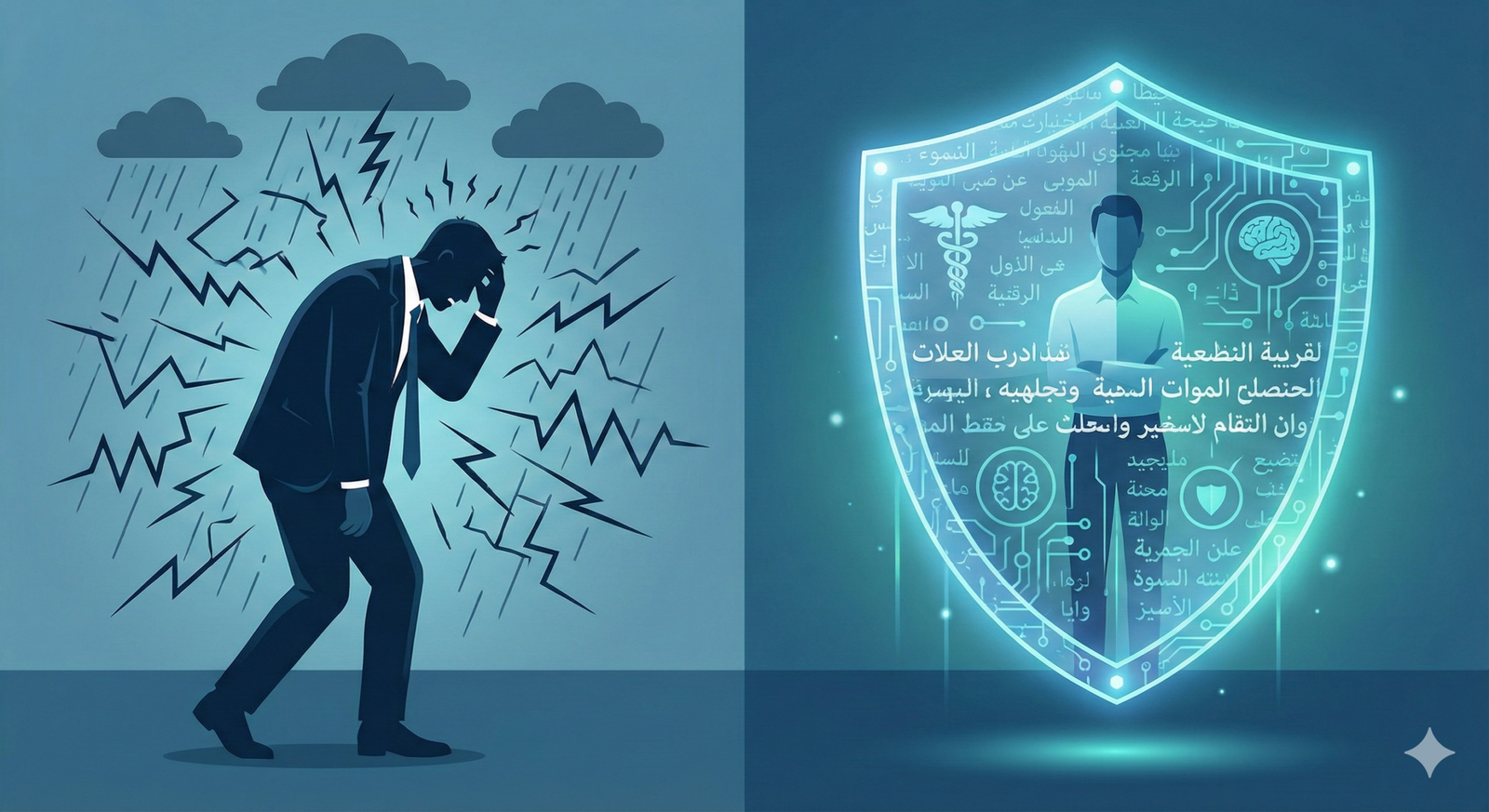
For years, “hustle culture” was the unwritten rule of the Gulf. But in 2025, new laws in the UAE and Saudi Arabia are making employee well-being a legal mandate, not just a corporate perk.
In the high-octane business hubs of Dubai and Riyadh, the phrase “burning the midnight oil” used to be a badge of honor. But as we close out 2025, it is fast becoming a legal liability.
- For years, “hustle culture” was the unwritten rule of the Gulf. But in 2025, new laws in the UAE and Saudi Arabia are making employee well-being a legal mandate, not just a corporate perk.
- UAE: The End of “Silent” Dismissals
- Saudi Arabia: Insuring the Mind
- The “Burnout” Liability
- What Employees Need to Know
A quiet revolution has taken place in the legislative corridors of the GCC. Moving beyond the “yoga in the breakroom” era of corporate wellness, governments are now enacting hard laws that treat mental health with the same gravity as physical safety.
From the UAE’s groundbreaking Federal Law No. 10 to Saudi Arabia’s mandatory insurance updates, the message to employers is clear: Protect your people, or pay the price.
UAE: The End of “Silent” Dismissals
The most significant game-changer is the full implementation of the UAE Federal Law on Mental Health (Federal Law No. 10 of 2023). While effective since mid-2024, its impact is truly being felt now as court precedents are set.
The law fundamentally changes the employer-employee dynamic regarding mental illness. Crucially, it prohibits the termination of employment solely due to a mental health condition.
“In the past, an employee struggling with severe depression might have been quietly let go for ‘performance issues’,” explains legal consultant Sarah Al-Hamad. “Under the new law, that is illegal. Termination due to mental health now requires a formal report from a specialized medical committee. It adds a layer of protection we’ve never seen before.”
Furthermore, the law mandates strict confidentiality. An employee’s psychiatric history is now protected data; leaking it or using it to discriminate in promotions can result in heavy fines and, in some cases, imprisonment.
Saudi Arabia: Insuring the Mind
Across the border, Saudi Arabia’s approach is rooted in its Vision 2030 Quality of Life Program. The headline update for 2025 is in Mandatory Health Insurance.
The Council of Health Insurance (CHI) has enforced updated policy requirements that make mental health coverage non-negotiable. Employers can no longer offer “basic” plans that exclude psychiatry or therapy. This move has democratized access to care, removing the financial barrier that kept many expatriates and locals from seeking help for burnout or anxiety.
Additionally, the 2025 Labor Law updates regarding working hours are being strictly enforced via digital platforms like Qiwa. “The days of unrecorded overtime are ending,” notes an HR director in Riyadh. “The government’s digital monitoring of contracts and working hours is creating a de facto ‘Right to Disconnect.’ If you are overworking staff to the point of burnout, the digital trail is there, and the penalties are automatic.”
The “Burnout” Liability
Why the sudden shift? It is economic. Data from 2023-2024 showed that the GCC was losing billions annually to lost productivity caused by untreated stress and burnout.
Governments realized that to build sustainable, knowledge-based economies, they needed a workforce that wasn’t just present, but mentally capable.
What Employees Need to Know
If you are working in the GCC today, your rights have expanded:
- You cannot be fired simply for having a mental health diagnosis (UAE).
- You are entitled to insurance that covers mental health treatment (KSA).
- Your medical data is private, and sharing it without consent is a crime.
- Discrimination in hiring or promotion based on a past mental health condition is now legally actionable.
The era of “leave your emotions at the door” is over. In 2025, the law walks in with you.