



Beyond the headlines: A strategic roadmap for SMEs and conglomerates to capture value in Dubai’s AED 32 trillion vision.
DUBAI: When His Highness Sheikh Mohammed bin Rashid Al Maktoum announced the Dubai Economic Agenda (D33), the headlines focused on the massive topline number: doubling the size of Dubai’s economy over the next decade with a target of AED 32 trillion.
However, for the astute CEO or investor, the D33 agenda is not merely a government target; it is a private sector mandate. Unlike previous economic cycles driven largely by state-led infrastructure spending, D33 is engineered to be fueled by private enterprise, foreign direct investment (FDI), and homegrown innovation.
For business leaders, understanding the mechanics of D33 is no longer optional, it is the primary roadmap for corporate strategy in the region.
The Shift from Consumption to Production
The most significant pivot within D33 is the emphasis on manufacturing and export. Dubai is transitioning from being the world’s luxury mall to becoming the world’s high-tech factory.
The agenda aims to scale the value of domestic demand for goods and services from AED 2.2 trillion to AED 3 trillion. But the real opportunity lies in the “Make it in the Emirates” synergy. The government is actively seeking private sector partners to build industrial capacity in:
- Green Manufacturing: Sustainable production lines that align with global ESG standards.
- Agri-Tech: Solving food security through vertical farming and biotechnology.
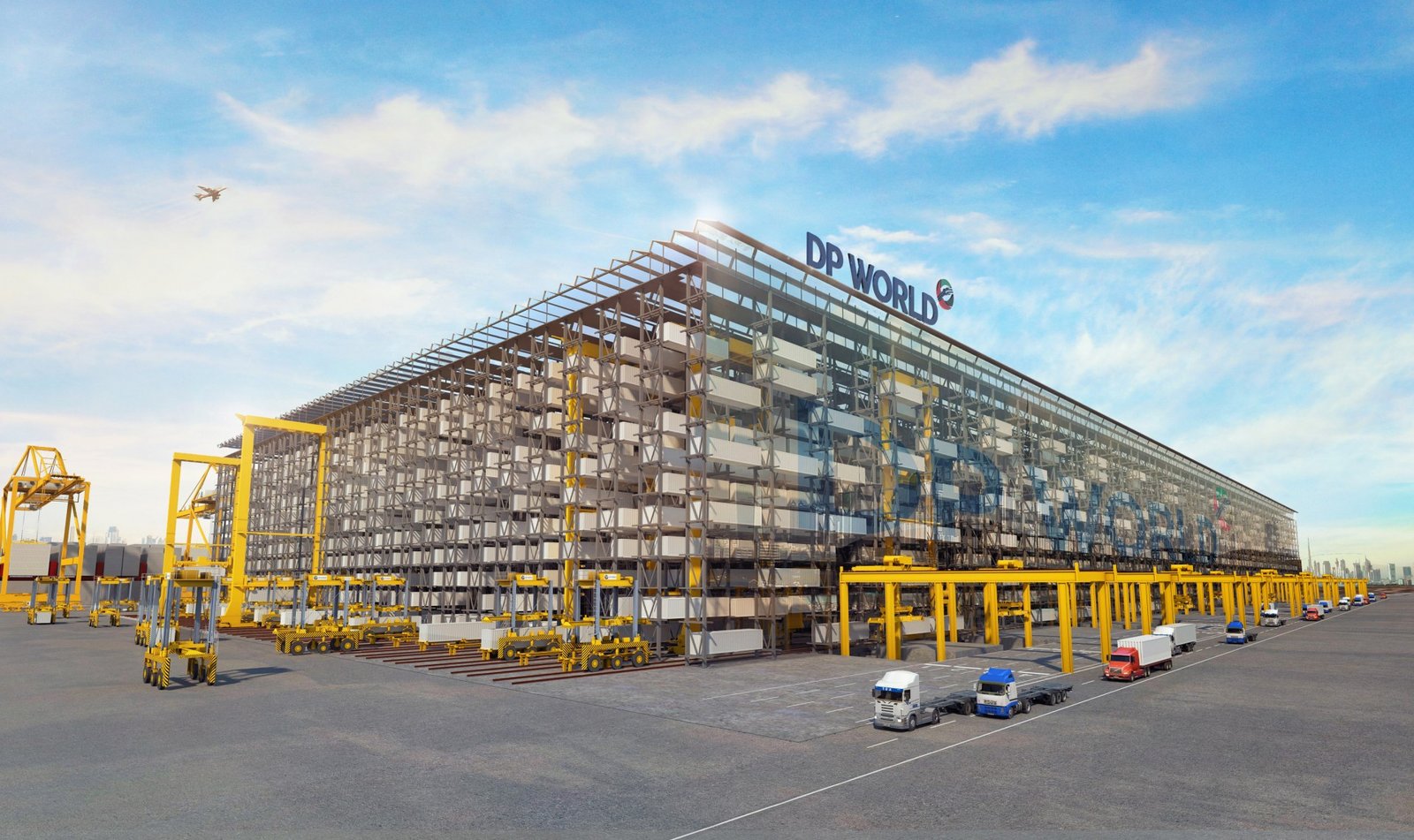
- High-Value Logistics: Expanding trade corridors beyond traditional routes, specifically targeting the “New Silk Road” markets in Africa, Latin America, and Southeast Asia.
For SMEs and conglomerates, the message is clear: if your business model supports local production or export, regulatory red tape is vanishing, and incentives are multiplying.
Digital Transformation as a GDP Multiplier
D33 isn’t just about physical goods; it’s about digital dominance. A core pillar is to generate AED 100 billion annually from digital transformation.
This creates an immediate opening for the private sector tech ecosystem. The government is effectively acting as the “First Customer” for transformative technologies. Companies specializing in AI integration, blockchain logistics, and fintech are finding themselves pushed to the front of the line for government contracts and public-private partnerships (PPPs).
The goal is to position Dubai as one of the top four global financial centers. This requires a private sector that is digitally native, agile, and integrated into the global digital economy.
The Call to Action for CEOs
Business leaders must now conduct a “D33 Audit” of their long-term strategies. The question is no longer “How do I sell to Dubai?” but rather “How does my growth contribute to Dubai’s GDP targets?”
Those who align their growth with the D33 pillars specifically in manufacturing, digital trade, and sustainability, will find themselves drafting in the slipstream of the government’s massive momentum. Those who ignore it risk being left behind in a pre-D33 economy.
The AED 32 trillion target is ambitious, but it is calculated. It is an invitation for the private sector to step up from being a passenger in Dubai’s growth story to being the pilot.