


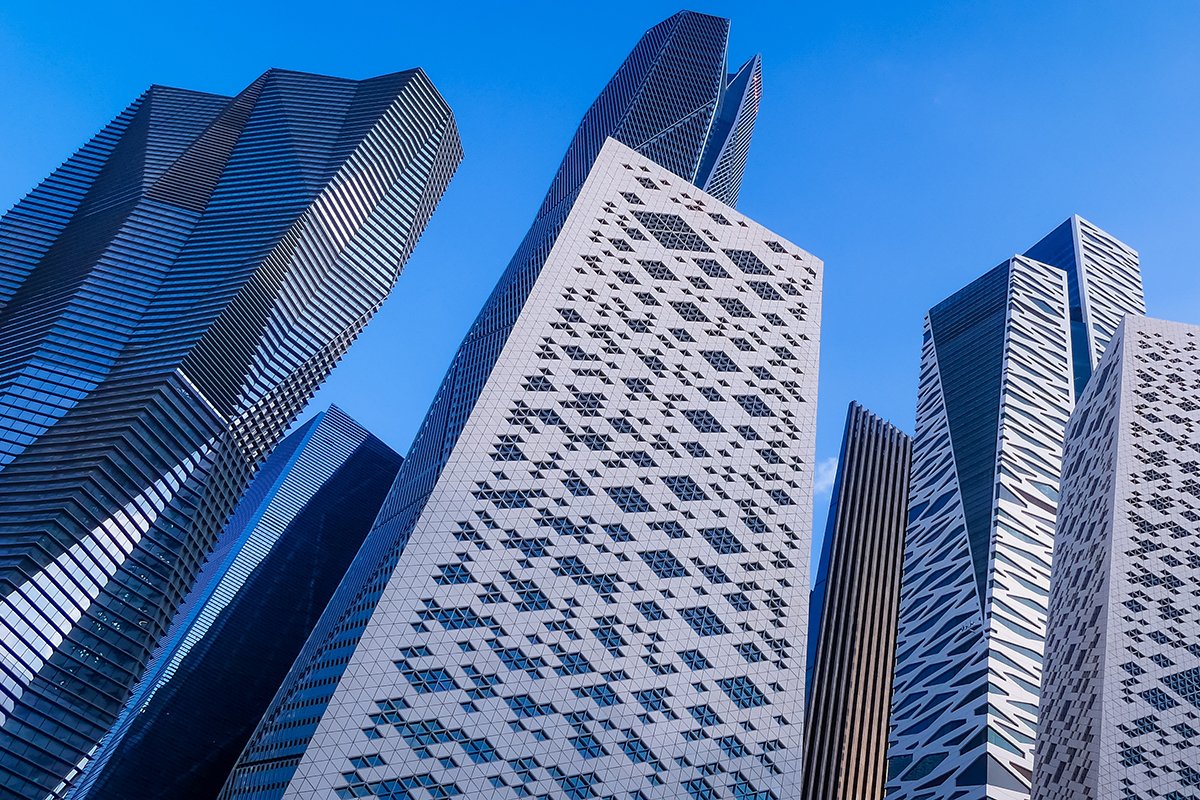
Office rents in Riyadh have reached a record high of SAR 2,700 per square metre, marking a 23 per cent increase year-on-year as of the end of March, according to Knight Frank’s Saudi Arabia Commercial Market Overview.
The surge in Grade-A office rents reflects occupancy levels of 98 per cent, with Grade-B buildings maintaining 97 per cent occupancy.
Grade-B rents increased by 24 per cent over the same period as businesses seek alternatives amid limited prime space availability.
“Saudi Arabia’s economic momentum continued to strengthen across key sectors in 2024, underpinned by rising private sector activity. A total of 14,303 foreign business investment licences were issued during 2024, a 67 per cent increase from 2023, marking the highest annual figure on record and underscoring the sustained appeal of Saudi Arabia to global corporates and investors,” Faisal Durrani, Partner – Head of Research MENA said.
Saudi Arabia office rents hit record high as foreign investment surges
Around 600 companies have announced plans to establish their regional headquarters in the capital as of February 2025, driving demand for prime office space.
“As more companies expand their footprint across Saudi Arabia, Jeddah is attracting a growing number of regional and local firms. This rising interest is being supported by a healthy office development pipeline. Upcoming projects include Jeddah Gate, which is expected to deliver 230,000 sqm between 2025 and 2028, and Jeddah Rose, a mixed-use development bringing 25,000 sqm of office space to the market by the end of 2025,” James Hodgetts, Partner – Occupier Strategy & Solutions said.
The growth stems from government initiatives including the Regional Headquarters Programme, which offers a 30-year tax relief package with 0 per cent corporate income tax and 0 per cent withholding tax on approved RHQ activities. Other measures include Special Economic Zones and the Investor Visa Programme.
Knight Frank expects relief over the next two years, with 2.7 million square metres of new office space due for completion.
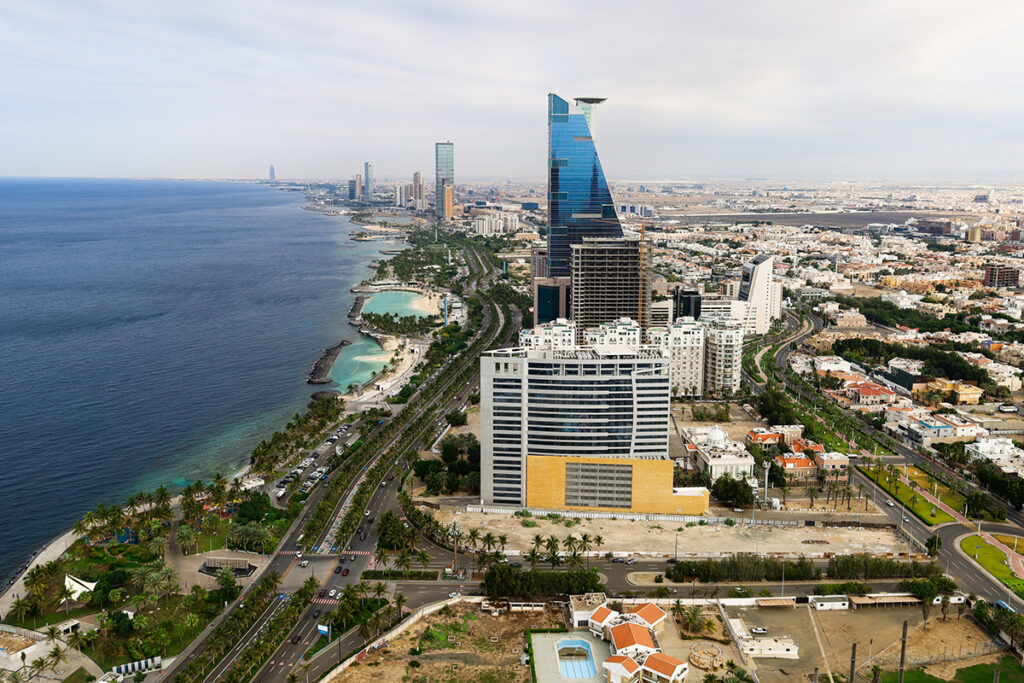
Jeddah market shows growth
Jeddah is experiencing steady increases in office rents, with occupancy across Grade-A and Grade-B offices rising to 95 per cent over the past 12 months.
Grade-A rents increased 4 per cent to an average of SAR 1,280 per square metre, whilst Grade-B rents rose 6 per cent to SAR 845 per square metre.
Jeddah’s total office stock is forecast to reach 1.8 million square metres by 2027, up from 1.6 million square metres currently.
“These latest figures point to resilient demand amid limited new supply and further highlight Madinah’s pricing strength. Pilgrim arrivals in the city are expected to reach 30 million by 2030, up from 17.3 million in 2025, reflecting the city’s growing role as a global hub for religious tourism,” Amar Hussain, Associate Partner – Research, Middle East added.
Tourism drives hospitality performance
Saudi Arabia welcomed 30 million international visitors in 2024, with targets to attract 70 million international tourists by 2030.
The hospitality sector saw average daily rates climb 10.8 per cent and revenue per available room rise 12.3 per cent in the 12 months to March, driven by demand in the Holy Cities and Riyadh.
Makkah remains central to religious tourism, with Q1 2025 average daily rates rising 28.9 per cent year-on-year to SAR 859, whilst revenue per available room increased 35.7 per cent to SAR 673.
The performance reflects heightened demand linked to Umrah visas, which grew 8.3 per cent according to the Ministry of Hajj data.
More than 8,500 rooms are under construction across 12 hotel developments in Makkah, with total inventory set to increase from 63,428 to 71,643 rooms by 2027.
Masterplans including Masar Destination and Rua Al Haram aim to improve access and capacity within walking distance of Al Haram.
In Madinah, Q1 average daily rates reached SAR 891 – the highest in the Kingdom and an 11.8 per cent year-on-year increase – with revenue per available room up 15.1 per cent to SAR 724.
Madinah currently has 20,673 hotel rooms, with an additional 2,100 keys expected by 2027. Hilton and Marriott plan openings totalling over 6,000 rooms between them.
The Rua Al Madinah giga project, located east of the Prophet’s Mosque, plans over 47,000 hotel rooms with integrated transit and public realm enhancements.

Data centre market expansion
Saudi Arabia is positioning itself as the Middle East’s leading data hub, with plans to grow its data centre market from $1.78 billion in 2023 to $3.2 billion by 2029 – a compound annual growth rate of 10.1 per cent.
The Kingdom’s total IT capacity is expected to grow from around 250-300 megawatts in 2024 to more than 1,000 megawatts by 2030, driven by government initiatives and investment in digital infrastructure.
All tier-one US cloud providers, including Microsoft, Amazon Web Services, Google Cloud and Oracle, have either launched operations or announced expansions in Saudi Arabia.
Amazon Web Services has committed $5.3 billion to scale up cloud services across key cities. Chinese firms including Alibaba Cloud and Huawei Cloud have also established local presence.
“Saudi Arabia is now the fastest-growing market for data centres as the country continues its drive toward national digitalisation. The Kingdom’s development of data centre infrastructure has been driven largely by adoption of public cloud and sustained public and private investment, transforming it into one of the top five global AI superpowers – evident in the recent launch of the $100bn Transcendence AI Initiative,” Stephen Beard, Global Head of Data Centres said.